
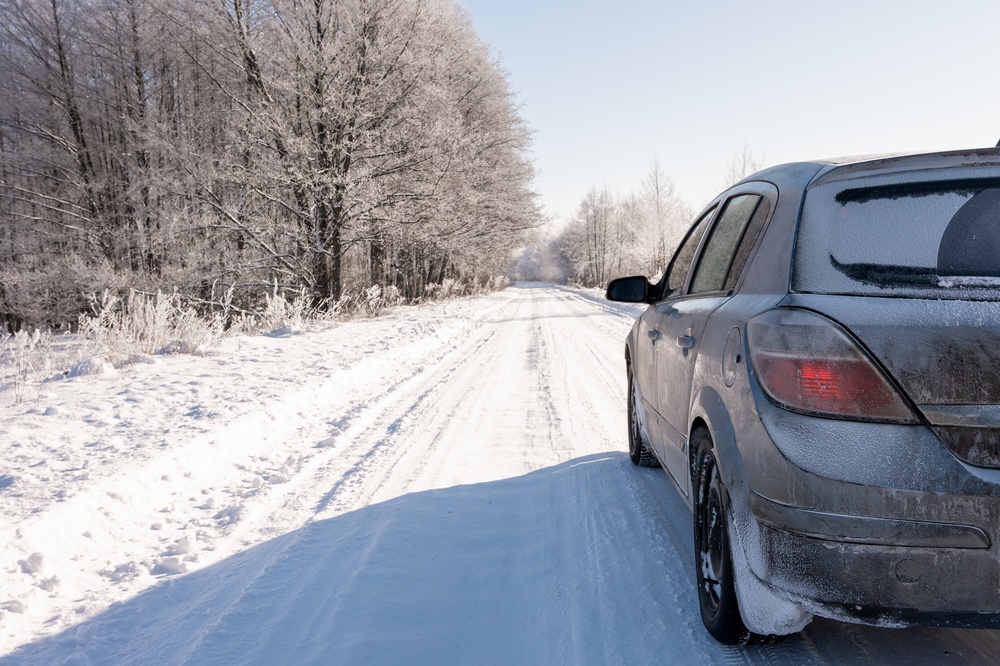
Winter driving brings a unique set of challenges that can test even experienced motorists. Snowfall, freezing temperatures, and reduced visibility increase the risk of accidents if drivers are not prepared. Understanding the most common winter road hazards—and learning how to respond to them—can make a significant difference in staying safe throughout the season.
Icy and Slippery Roads
One of the most dangerous winter hazards is black ice. It often forms overnight or in shaded areas and is nearly invisible to drivers. Even roads that appear clear may be slick, especially on bridges, overpasses, and intersections.
To reduce risk, slow down and increase your following distance. Sudden braking or sharp turns should be avoided. Learning proper winter braking and steering techniques through driver’s ed Edmonton programs can help drivers stay calm and in control when traction is limited.
Reduced Visibility
Snowfall, fog, and shorter daylight hours all contribute to poor visibility in winter. Windshield frost, dirty headlights, and blowing snow can make it difficult to see road signs, lane markings, and other vehicles.
Always clear snow and ice from all windows, mirrors, and lights before driving. Use headlights in low-visibility conditions and reduce speed when vision is compromised. Many driving lessons instructors in Edmonton emphasize defensive driving habits that help drivers anticipate hazards they may not immediately see.
Snowbanks and Narrowed Roads
Plowed snow often piles up along road edges, narrowing lanes and limiting escape routes. These snowbanks can hide pedestrians, cyclists, or parked vehicles, especially in residential areas.
Drive cautiously on narrower roads and avoid hugging the curb too closely. At intersections, pause longer before proceeding to ensure a clear path. Winter driver training in Edmonton courses often focuses on scanning techniques that help drivers detect hidden risks early.
Slush and Deep Snow
Slush may seem less threatening than ice, but it can reduce tire grip and cause hydroplaning at low speeds. Deep snow can also trap vehicles, particularly when changing lanes or pulling over.
Maintain a steady speed and avoid abrupt movements when driving through slushy areas. If your vehicle begins to slide, ease off the accelerator and steer gently in the direction you want the car to go. Practicing these techniques in a controlled learning environment builds confidence for real-world winter driving.
Aggressive or Unprepared Drivers
Not all winter hazards are environmental. Some drivers fail to adjust their habits for winter conditions, following too closely or driving at unsafe speeds. This unpredictability increases collision risk.
Defensive driving is essential in winter. Keep extra distance, anticipate sudden stops, and assume other drivers may make mistakes. Formal driver’s ed Edmonton programs reinforce the importance of awareness and patience when sharing winter roads.
Vehicle Readiness Issues
Mechanical problems are more likely in cold weather. Weak batteries, worn tires, and low fluid levels can leave drivers stranded or unable to respond effectively in emergencies.
Regular vehicle maintenance, winter tires, and emergency kits are essential. While training focuses on driving behaviour, good driver training programs in Edmonton also stress vehicle preparedness as part of overall road safety.
Drive Confidently Through Winter Conditions!
Winter roads demand more attention, patience, and skill from drivers. Ice, poor visibility, snow buildup, and unpredictable traffic conditions can quickly turn a routine drive into a dangerous situation. Central Driving School helps drivers build the skills and confidence needed to handle winter road hazards safely. With professional instruction focused on real-world challenges, their training prepares drivers to stay calm, alert, and in control—even when winter conditions are at their worst.